
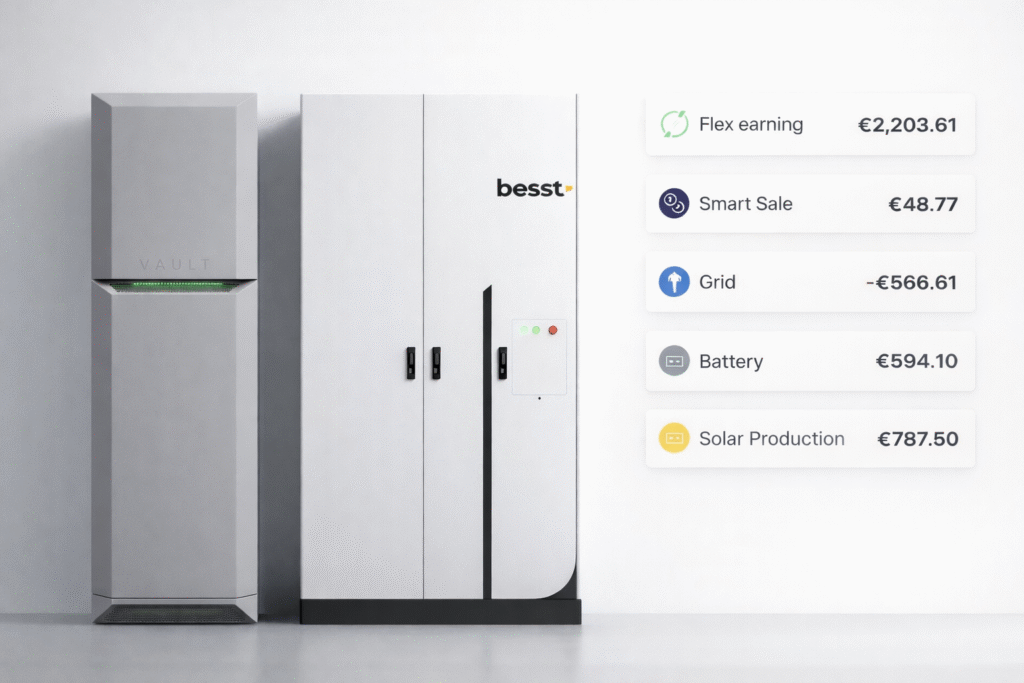
Real Battery Profit Breakdown From Live Data
These results come from a real operating household battery system over a fixed period: July 1, 2025 – December 31, 2025. Six months of realized value. Where the profit comes from (what each line means) 1) Flex services: €2,203.61 (main revenue) The battery gets paid for supporting the grid: •
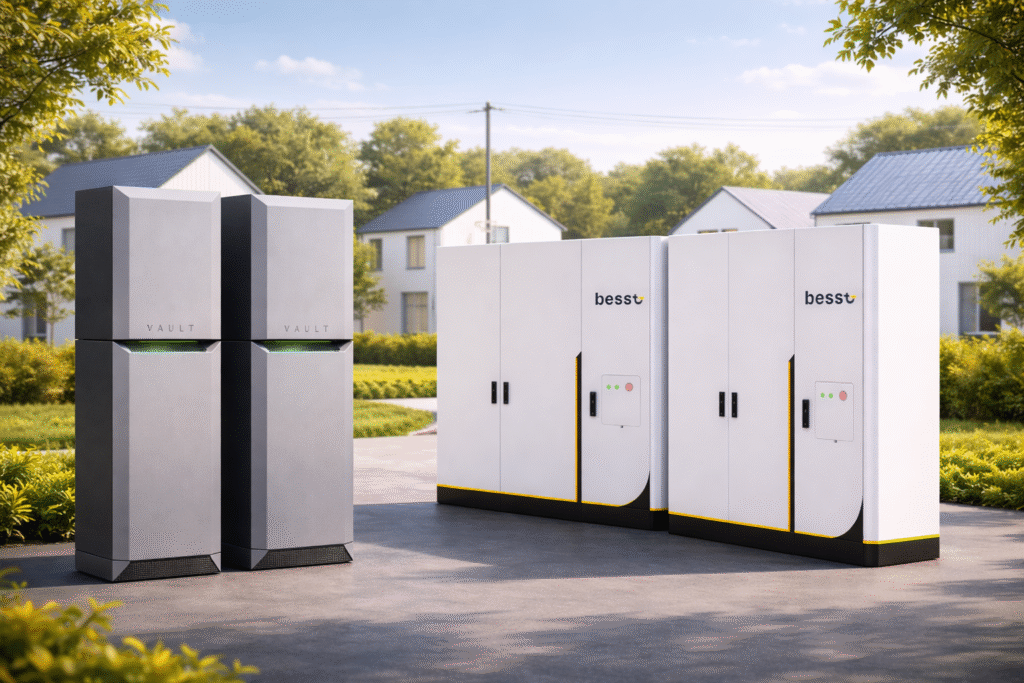
The BESST Community Model
For decades, households have lived inside an energy system they don’t control. Electricity is something people depend on, but rarely influence. Prices move without warning, rules shift overnight, outages happen – and when they do, people are simply expected to adapt. The BESST community model flips that dynamic. It gives
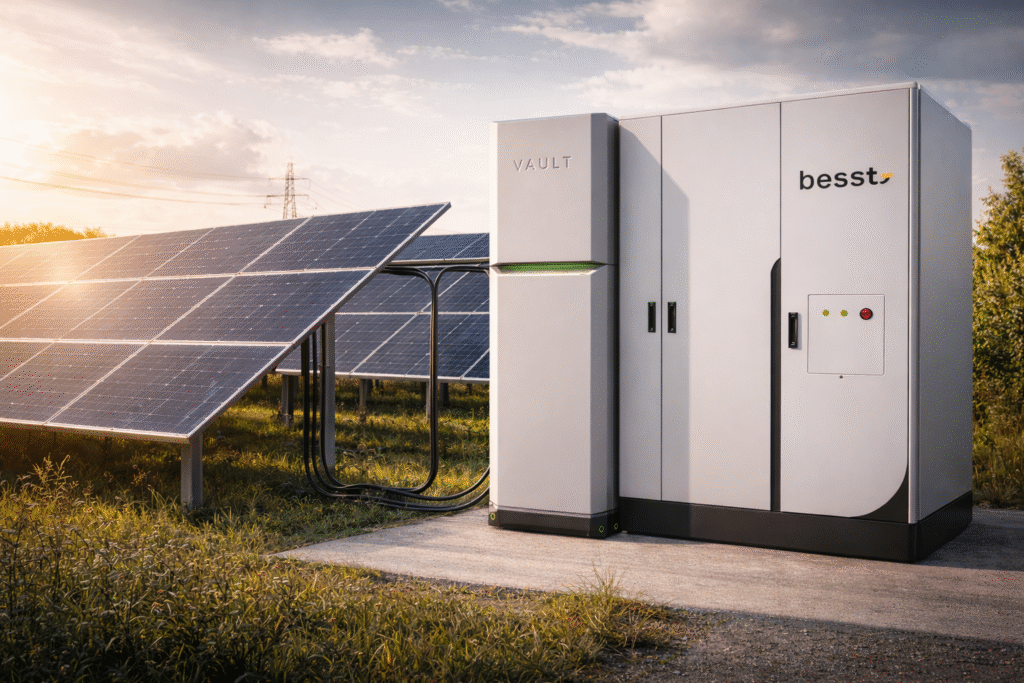
Why solar panels + ESS will give you maximum ROI
Most households with rooftop solar use only a small share of the electricity they generate. In a typical European home, self-consumption averages around 25–35%. The remaining energy is exported to the grid at low prices. A battery changes this dynamic. It increases self-consumption to 80–90%, which fundamentally improves return on
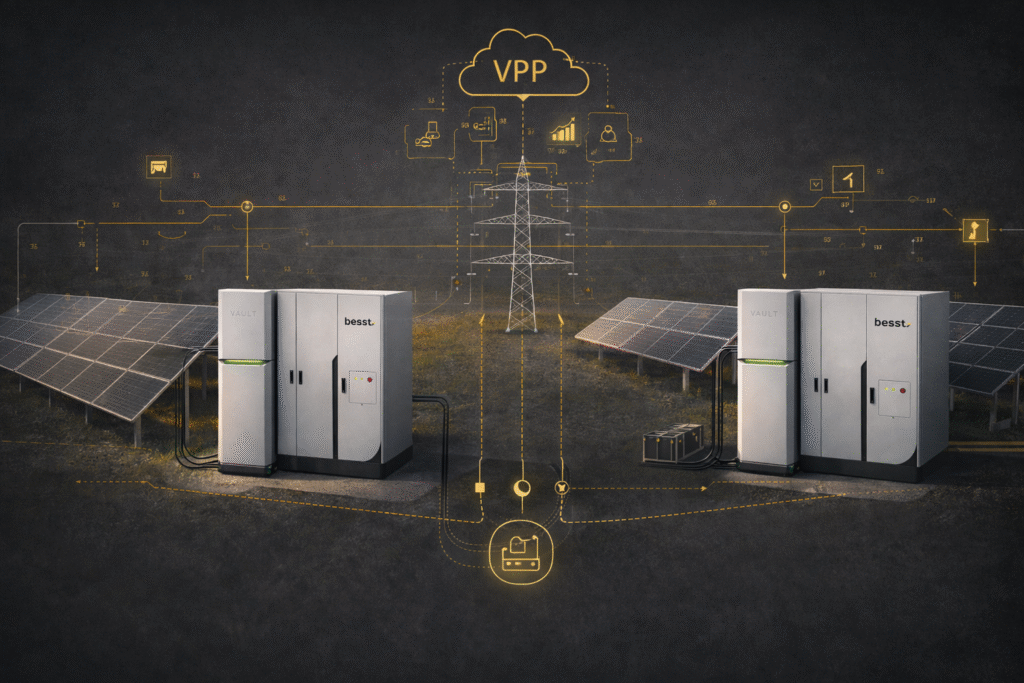
Why VPP makes solar more profitable
A Virtual Power Plant is a digitally coordinated network that aggregates many small, distributed energy devices and operates them as a single large asset. These devices typically include home batteries, rooftop solar systems. Centralised software coordinates their operation, allowing the aggregated system to respond to grid needs in real time.
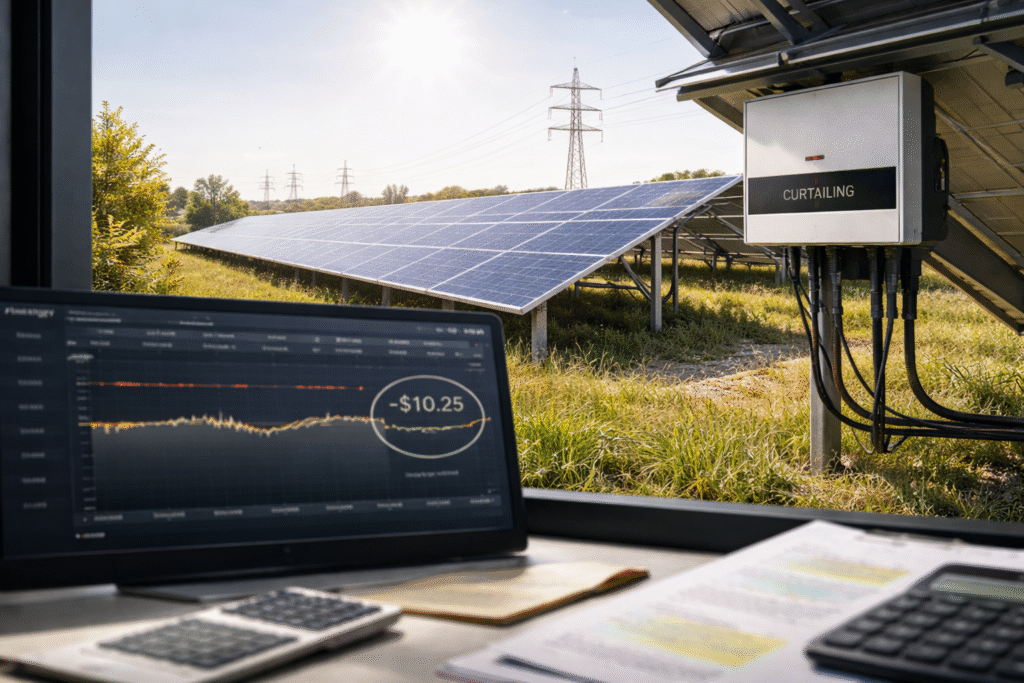
The hidden financial losses every solar owner without ESS faces today
Most households assume solar always saves money. In reality, solar without storage creates several hidden losses that grow larger each year. Net-billing reduces export value. Midday prices collapse during solar peaks. Grid curtailment limits usable generation. A battery offsets these losses by keeping energy inside the home, stabilising consumption, and
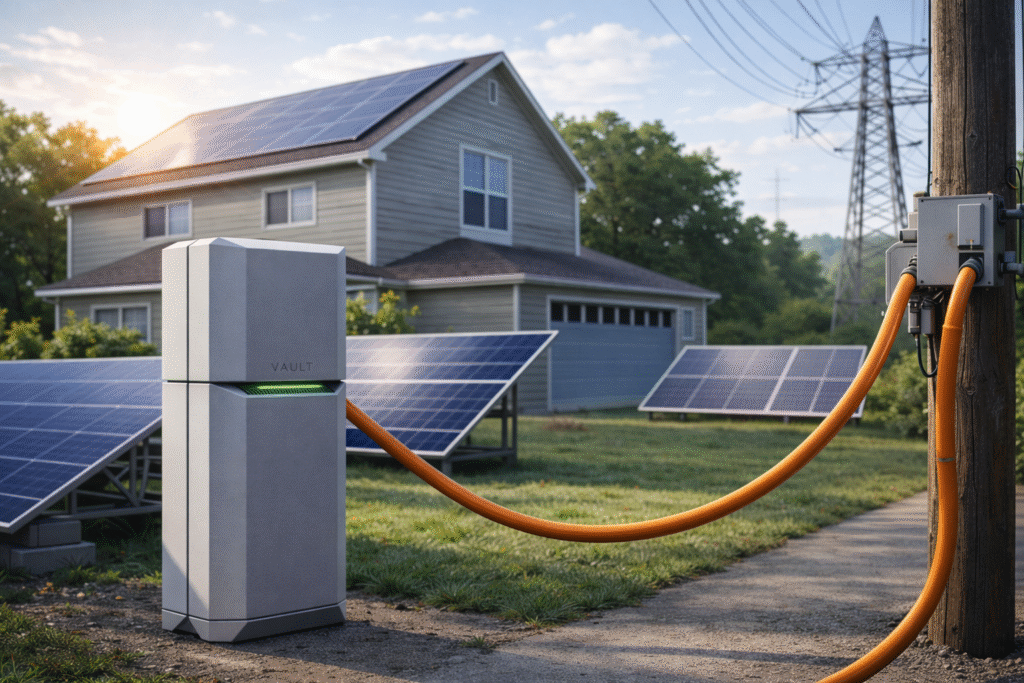
Stop Donating Your Solar Power to the Grid
Most solar owners do not realise how much value they lose every day. They export electricity at midday when prices are weakest and buy it back in the evening at the highest rates. This is not a technical failure. It is a price-curve mismatch. A battery energy storage system fixes
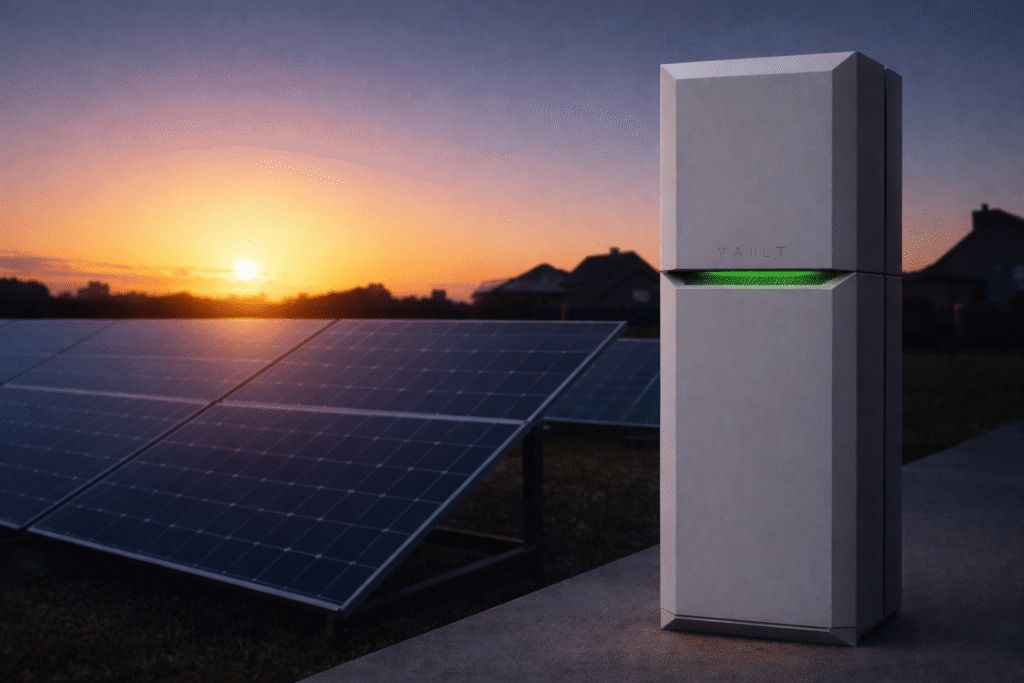
Solar Panels Produce Solar at Noon. You Use Energy at Night. Storage Fixes the Gap.
Solar panels work on their own schedule. They generate most of their electricity in the middle of the day. Households, however, consume most of their electricity in the evening. This mismatch is responsible for the loss of value in most solar installations. A battery eliminates this gap by storing daytime
How to Turn Solar Panels From a Cost Saver Into a Monthly Revenue Stream
Solar panels are effective at reducing electricity bills. On their own, however, they rarely generate income. That changes when solar is combined with a home battery and participation in a Virtual Power Plant (VPP). Together, these elements turn a household from a passive consumer into an active market participant. Instead
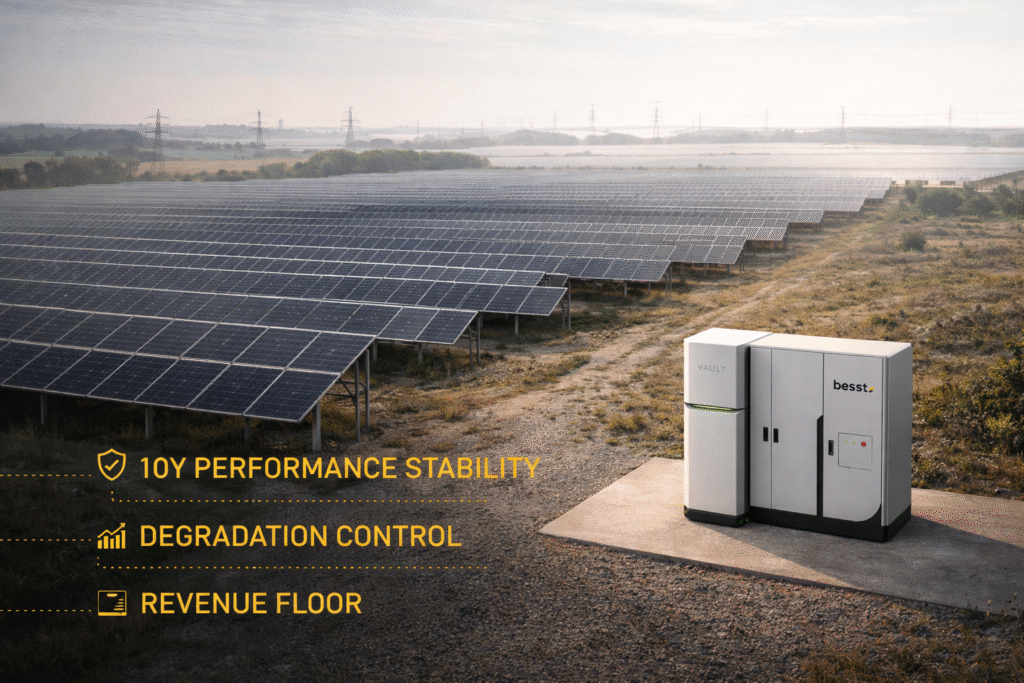
How to Protect Your Solar Investment for the Next 10 Years
Solar is a long-term asset. Panels last 20–30 years, but the rules that determine how you are paid for surplus energy can change several times over that period. Today, the biggest risk for solar owners is not technical failure. It is regulatory and market change. Across Europe, net-metering is being
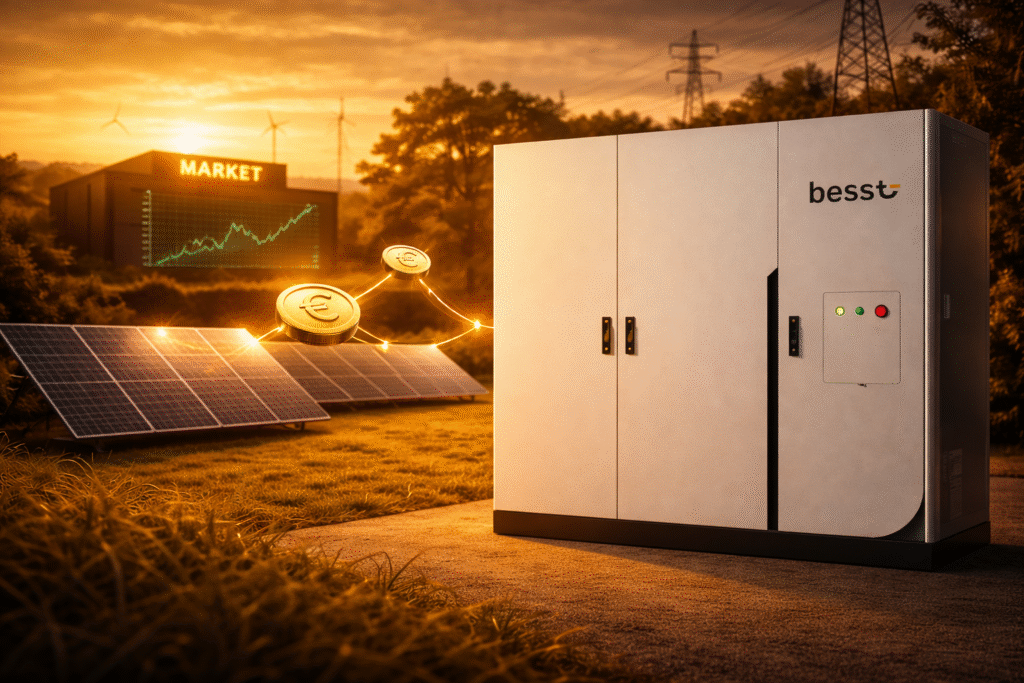
How Solar Panel Owners Can Earn From Ancillary Markets
Most solar owners know how to save money. Few know how to earn it. Ancillary service markets, such as frequency regulation and balancing, were once accessible only to large power plants. Today, aggregated home batteries can participate as well. Even small systems can earn when connected through a Virtual Power
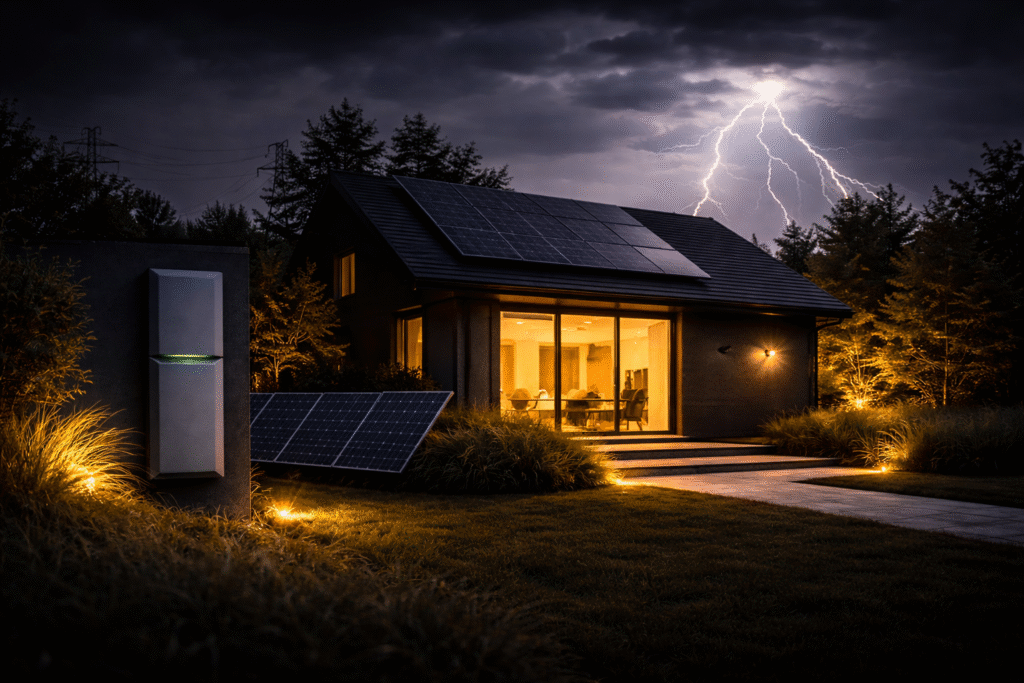
Grid blackouts the real risk for solar owners without storage
Many homeowners believe solar panels protect their home during blackouts. They do not. When the grid fails, almost all residential solar systems shut down automatically. Without storage, the home loses power even on a sunny day. A battery changes this. It provides local power when the grid is down and
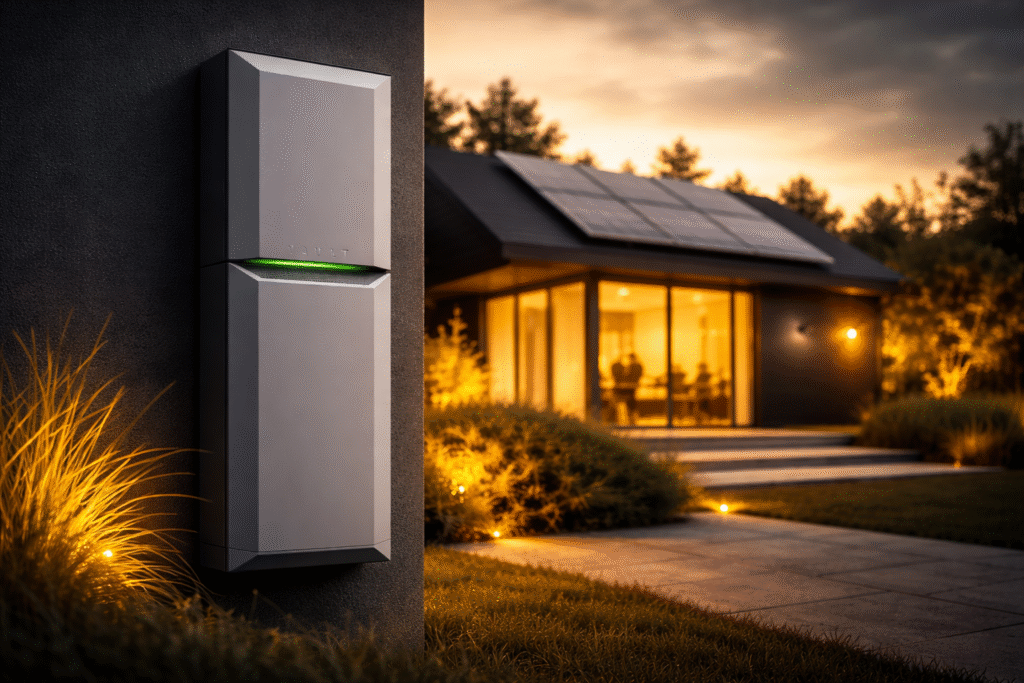
After Solar Panels are Installed. The Next Logical Step Is Storage
Installing solar panels is the first step toward energy independence. But solar alone is not a complete system. It produces electricity when sunlight is strongest, not necessarily when the household needs it most. The natural second phase is storage. A battery aligns production with consumption, protects the value of the
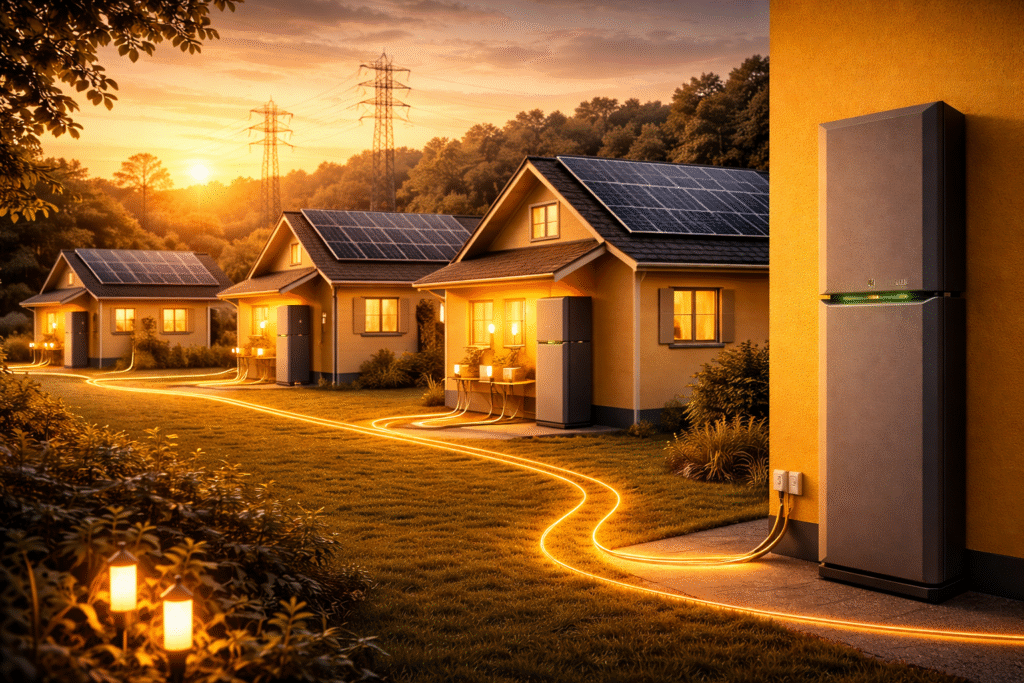
Why small distributed storage beats large CENTRALIZED plants
Distributed batteries installed in homes and businesses are becoming a stronger system asset than large centralized storage plants. They deploy faster, require less capital concentration, avoid land constraints, improve local resilience, and reduce investor risk. When aggregated, fleets of small batteries deliver more strategic value to the grid than a
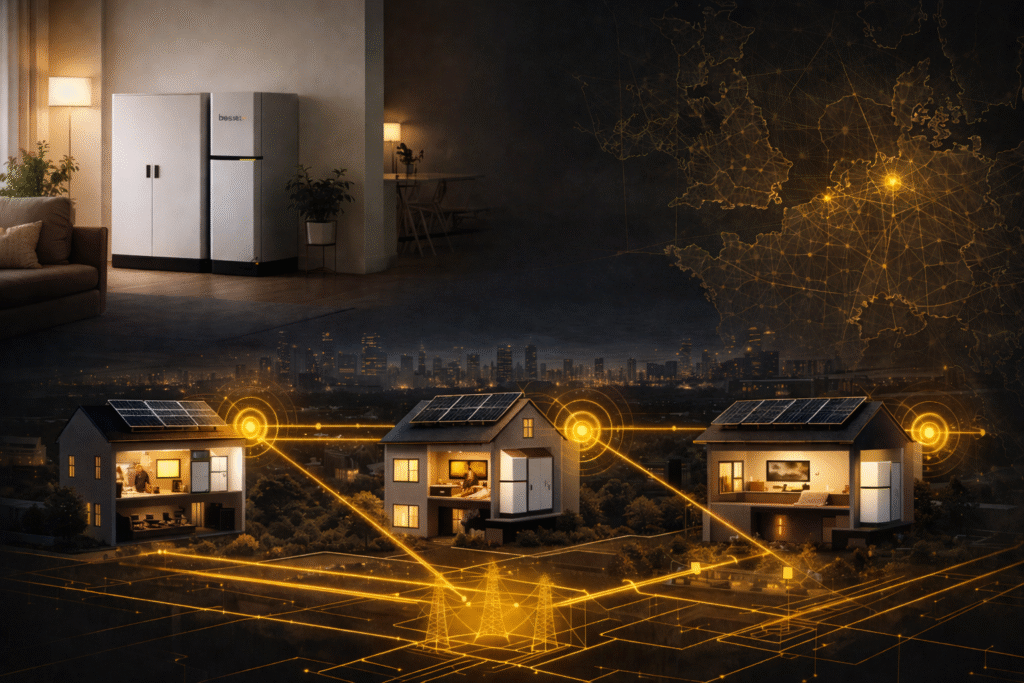
why households will become the biggest hidden power plant in europe
Europe is moving from centralised electricity generation toward distributed energy systems installed in millions of homes. Individually, solar panels, batteries, and electric vehicles are small assets. Aggregated together, they form a fast, flexible power resource that rivals large conventional power plants in scale and exceeds them in responsiveness. These assets
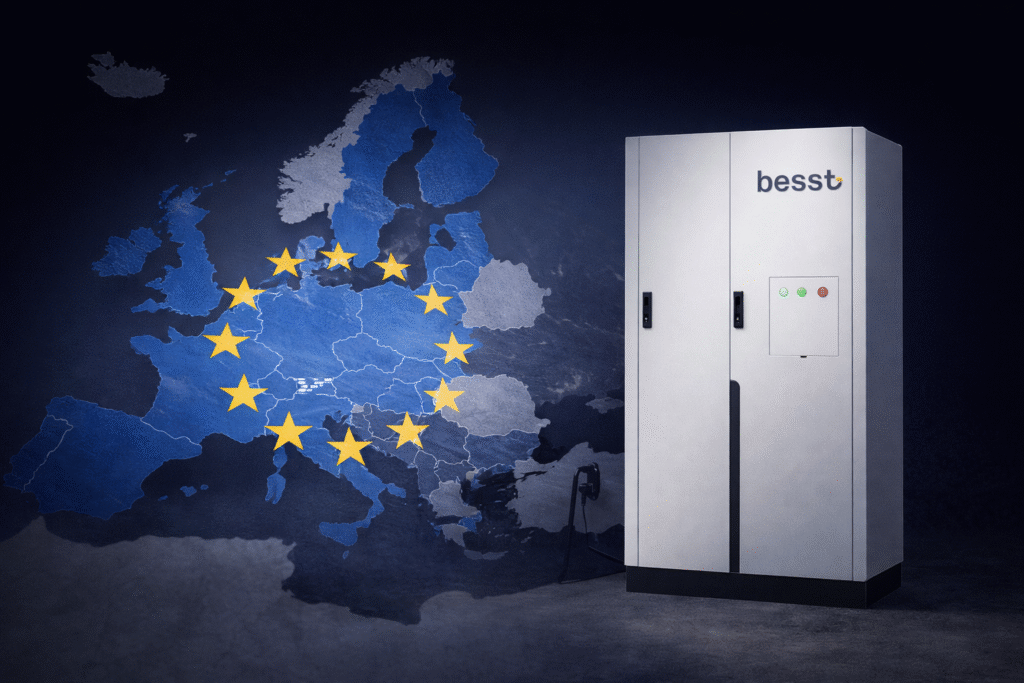
Why Europe is entering the storage decade
Renewable energy continues to expand, grids face structural congestion, and price volatility is becoming the new baseline. At the same time, Brussels has set explicit flexibility targets for 2030. Together, these forces are pushing Europe into the storage decade. Renewables keep rising Solar and wind deployment in Europe has accelerated
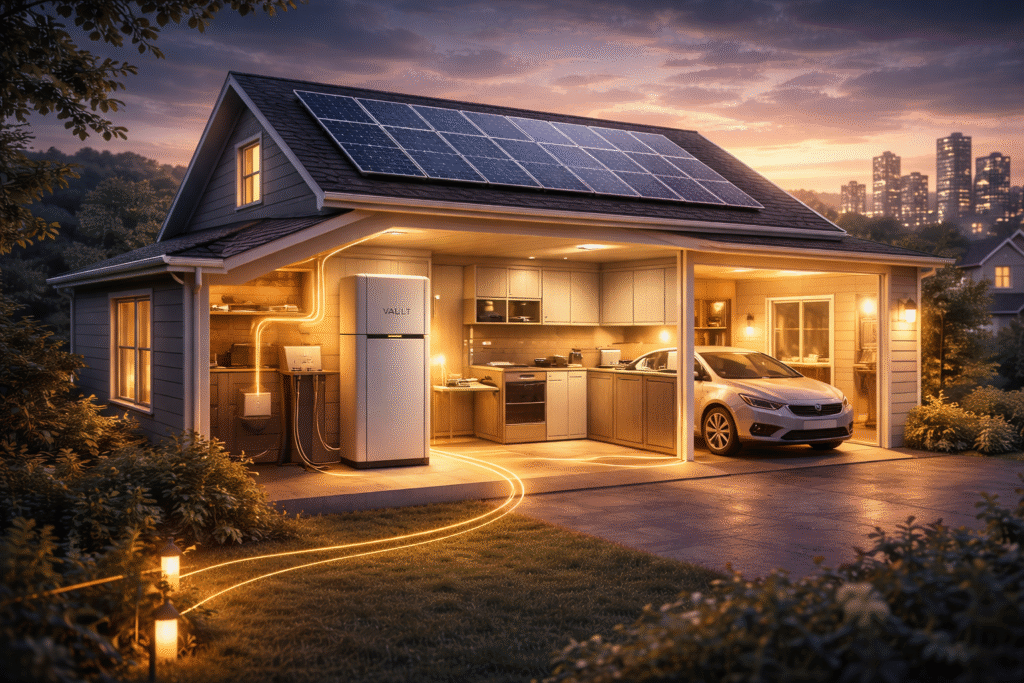
Why energy storage is the next mandatory home upgrade
Homeowners with solar panels hit the same wall. Panels alone do not give control. They cut the bill during the day and leave you exposed at night, during price spikes, or when the grid stumbles. A battery turns that weak setup into a complete system. Solar adoption grows The International
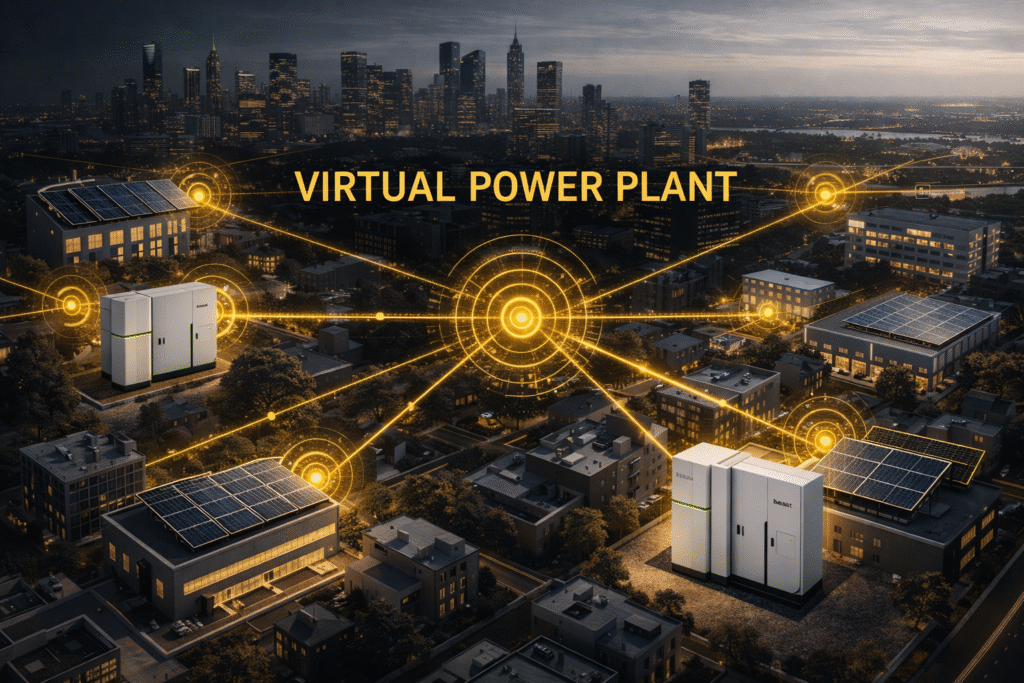
What is a virtual power plant
A virtual power plant is a digital network that connects many small energy devices and makes them work like a single large asset. These devices are usually home batteries, rooftop solar, heat pumps and electric cars. Software gathers them into one controllable pool that can respond to grid needs in
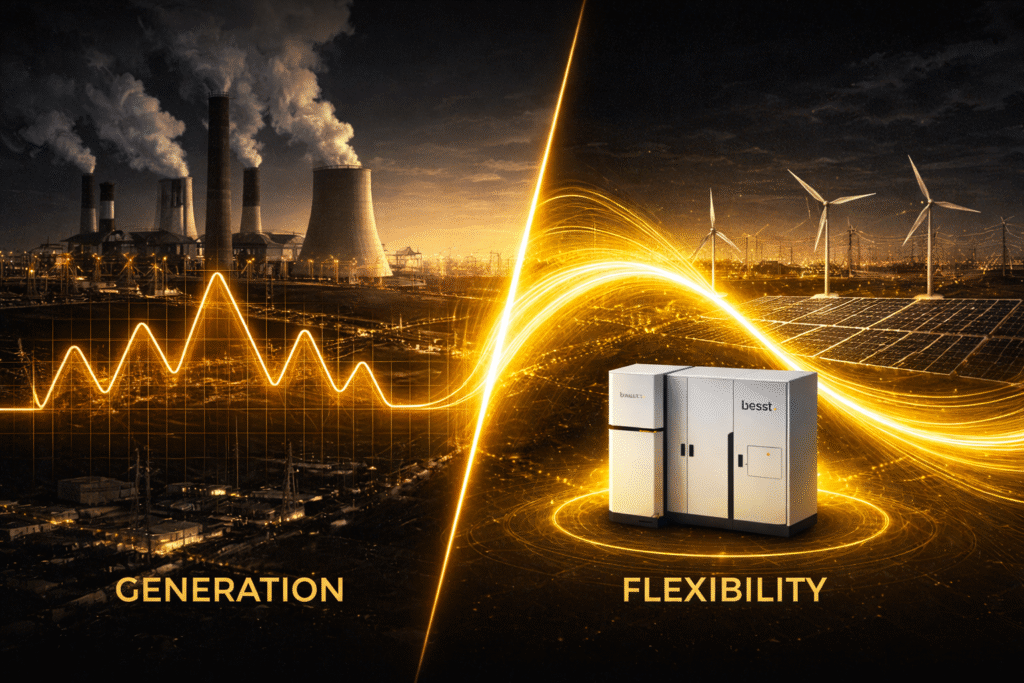
Why does the flexibility beats generation
Renewables swing between surplus and scarcity. The grid pays for the assets that can move power across that gap. That is flexibility. A battery delivers it with the highest precision. Why generation loses value When renewables surge, prices fall fast. In several European markets the price already goes near zero
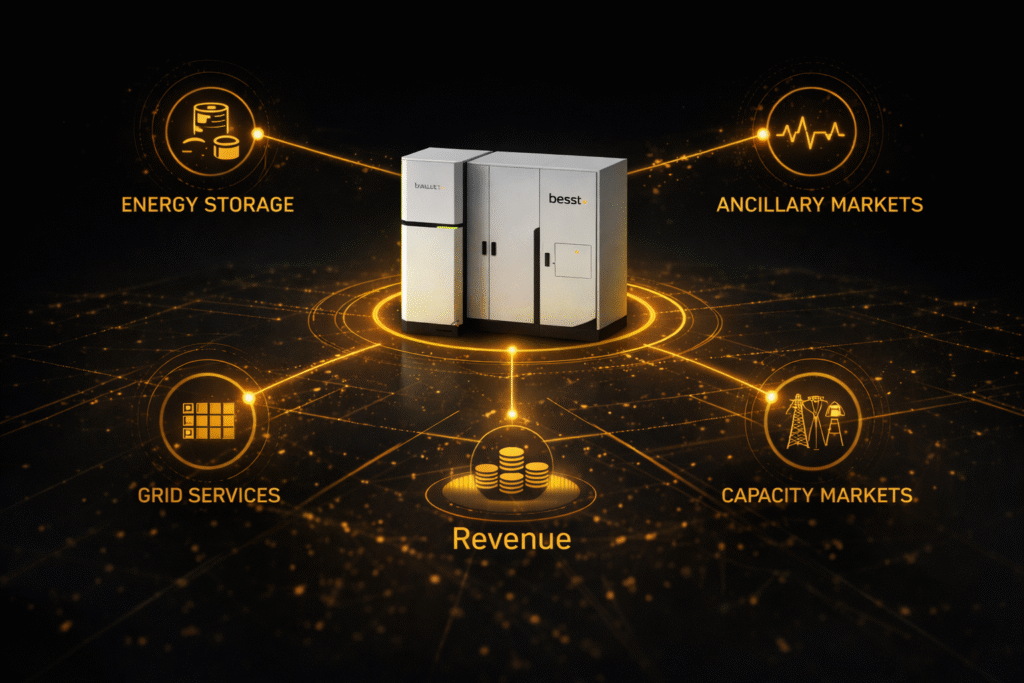
Simple Breakdown of BESS Revenue Streams
A battery does not earn from a single source. It creates value in several ways. Some benefits come from household savings. Others come from grid services. Some come from avoiding the most expensive hours of electricity use. Combined, these streams create a stable financial effect that is often underestimated. This
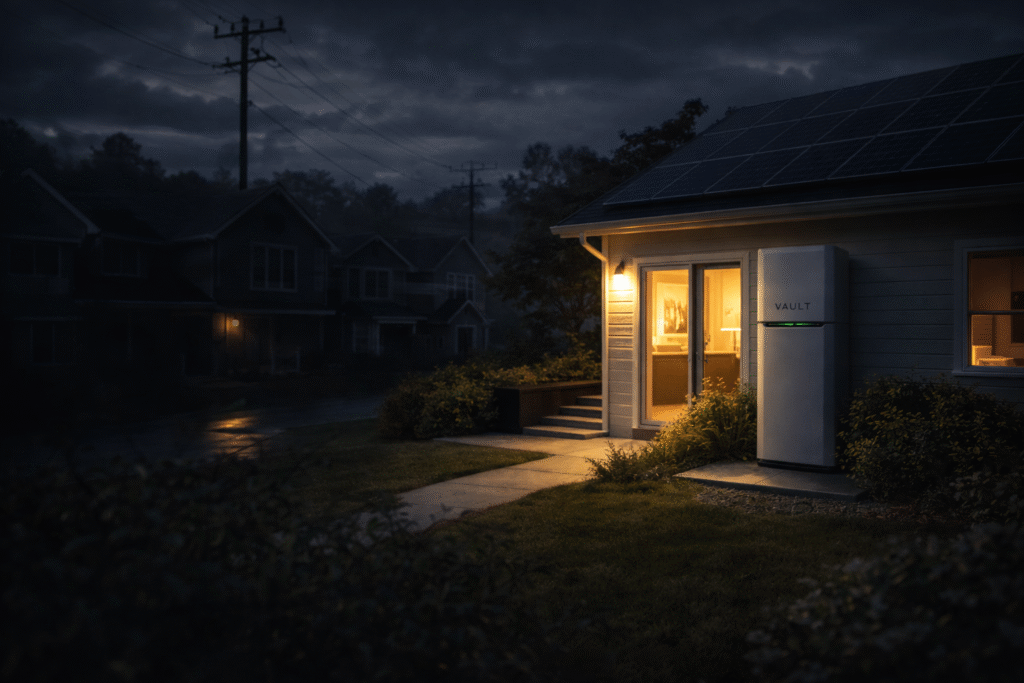
Energy independence: the real reason people install BESS
Households install batteries because they want long-term financial stability. A BESS reduces exposure to peak tariffs, preserves the value of solar generation, and protects the home from price spikes and policy changes. Over ten to twenty years, these steady daily savings accumulate. This makes a BESS the closest practical equivalent
Batteries as your personal inflation hedge
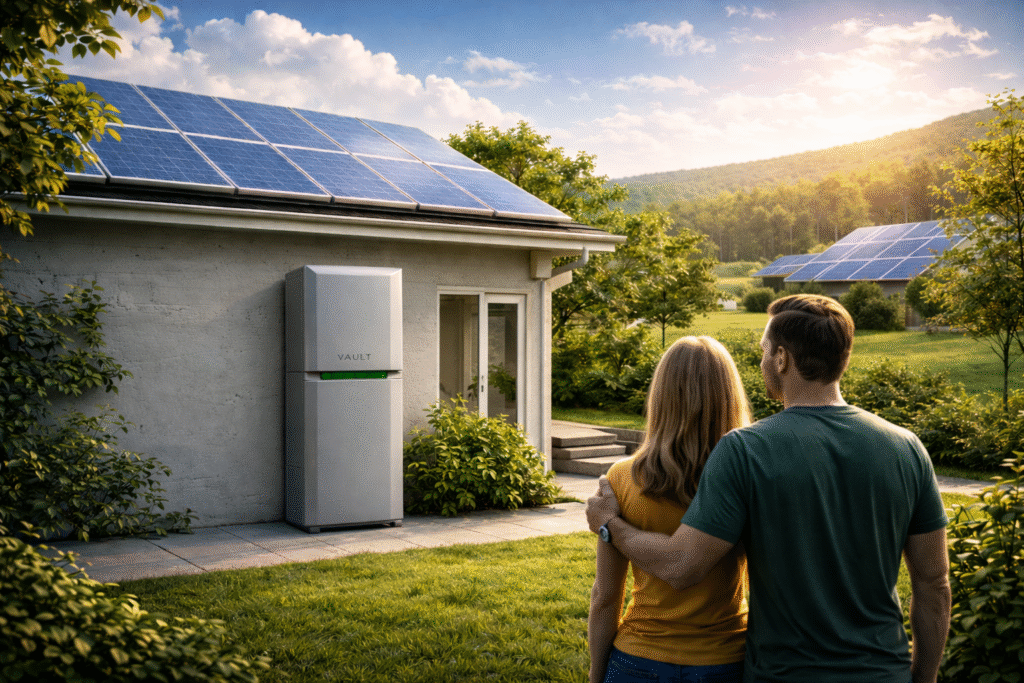
Electricity prices in Europe are rising faster than general inflation. Peak tariffs increase, grid fees grow, and price volatility becomes structural as renewable penetration expands. Households cannot control these forces, but they can reduce their exposure to them. A battery energy storage system (BESS) acts as a personal inflation hedge

“Cheap Solar” myth, without ESS you will lose money.
Homeowners were promised an easy story: install solar and it will pay for itself. In reality, solar produces electricity when households do not need it and pays back when the market is saturated with cheap power. Energy is exported at low prices and bought back during expensive hours. This mismatch destroys returns. Without storage, cheap
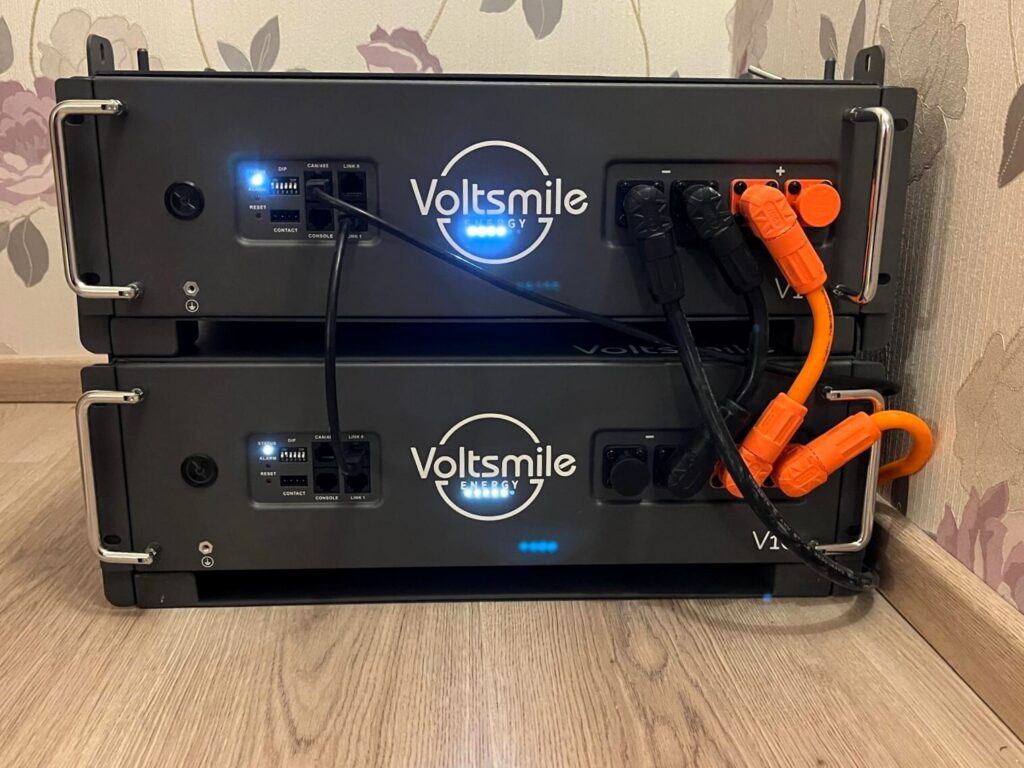
Private house in Riga suburb
Location: Riga, Latvia. System V10 classic, 10kWh, inverter Deye 10kW. In November 2024 we had a battery storage system installed at our home near Riga. After the winter months, we couldn’t be happier with the results! We have a significant part of our family budget for energy expenses. Even in
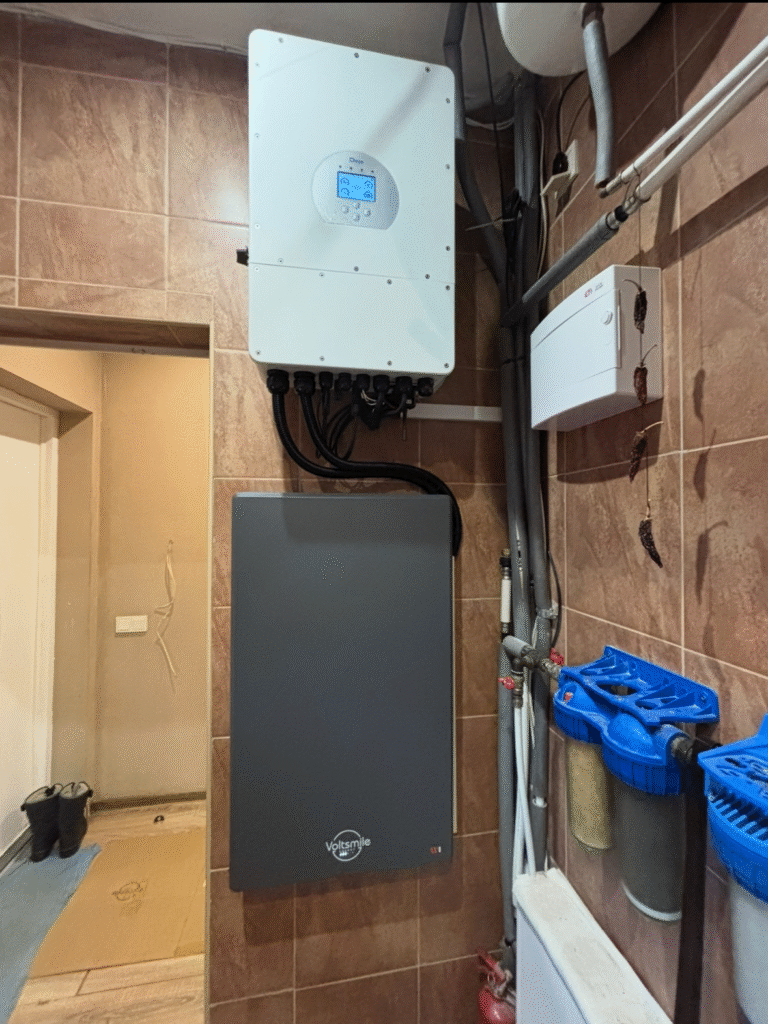
Battery W1 in Siauliai
Location: Siauliai, Lithuania. Battery W1, 10kWh, inverter Deye 10kW. In January 2025, we ordered a 10kWh Battery W1 to be installed at our home in Šiauliai, paired with an inverter. After going through the winter, we are happy to say that we have extra income. It is reduced electricity bills.
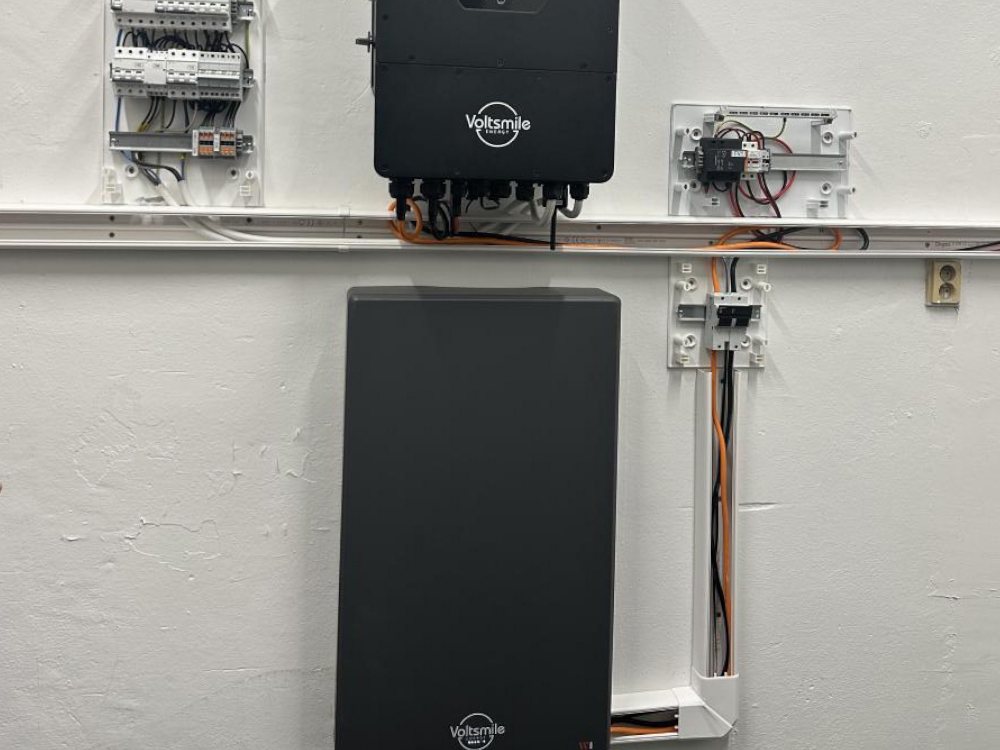
Home W1 classic in Panevezys
Location: Panevezys, Lithuania. Battery W1, 10kWh, inverter Victron. We contacted to Besst Technologies to have solar panels and a battery energy storage, and the get a great result. The company provided us with all – great advice and the best equipment. Besides they helped us every step of the way.
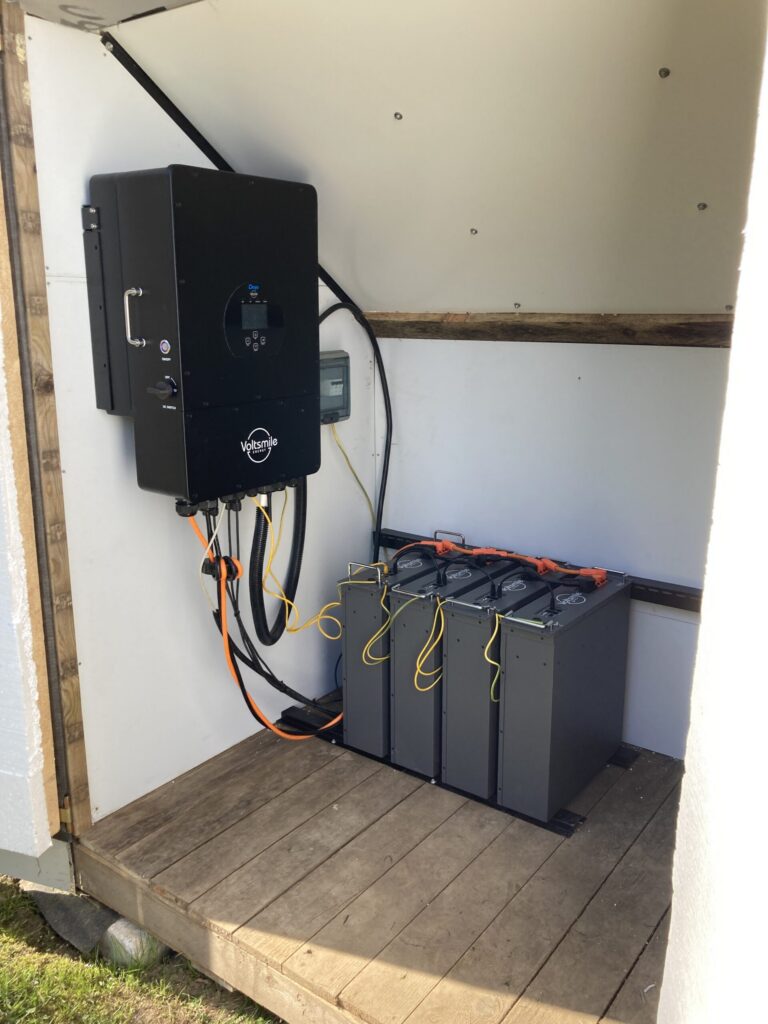
Home Batteries V10 classic in Harjumaa
Location: Harjumaa, Estonia. Battery V10, 20kWh, inverter Deye 12kW. I installed a 20 kWh energy storage system in my home in Harju County and I am very happy with the result. I already had solar panels and the batteries were a perfect addition, making the entire energy system much more
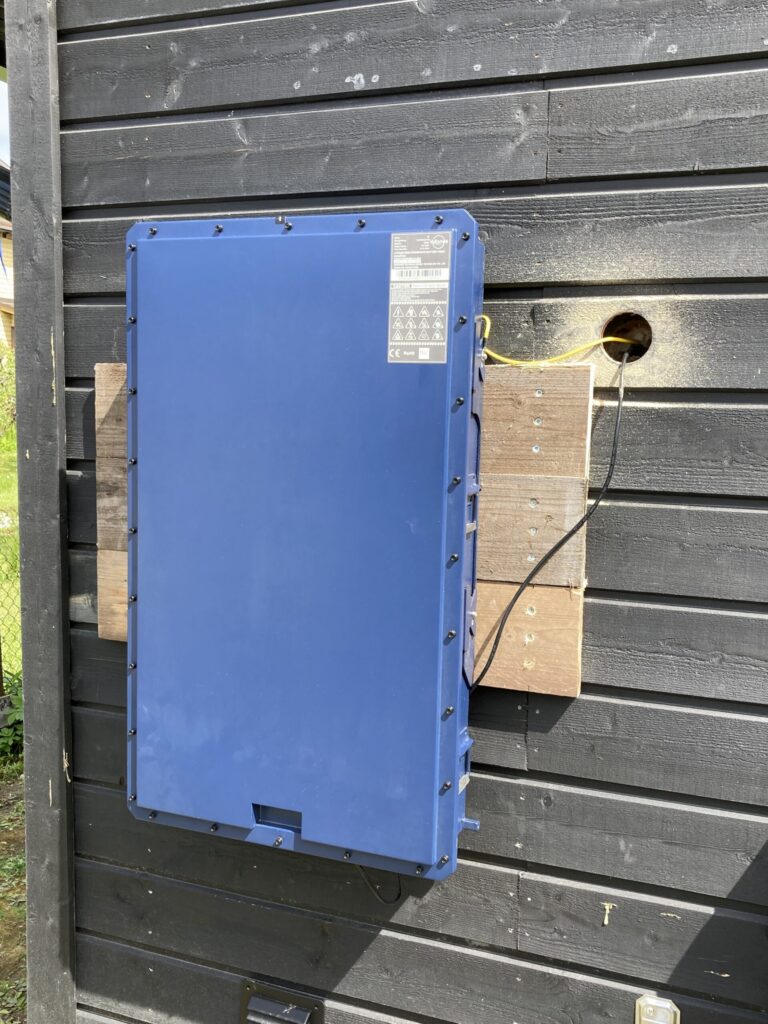
Living house in Pirita, Tallinn
Location: Tallinn, Estonia. System W1, 12kWh, inverter Deye 10kW, existing solar panels 12kWp. I have been using solar panels for several years now and this time I decided to supplement my home energy system with a battery bank. I started with a 10 kWh capacity, which allows me to store
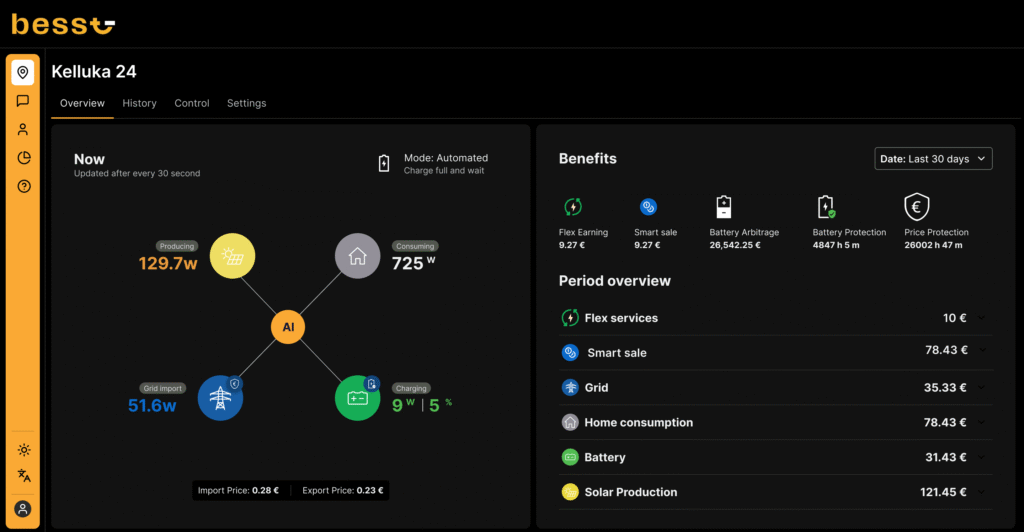
Besst aplikācija
Besst lietotne ir jūsu personīgais enerģijas vadības panelis. Tieši savienota ar Besst sistēmu, tā parāda, kā jūsu mājas vai uzņēmums uzkrāj, patērē un pelna no enerģijas.
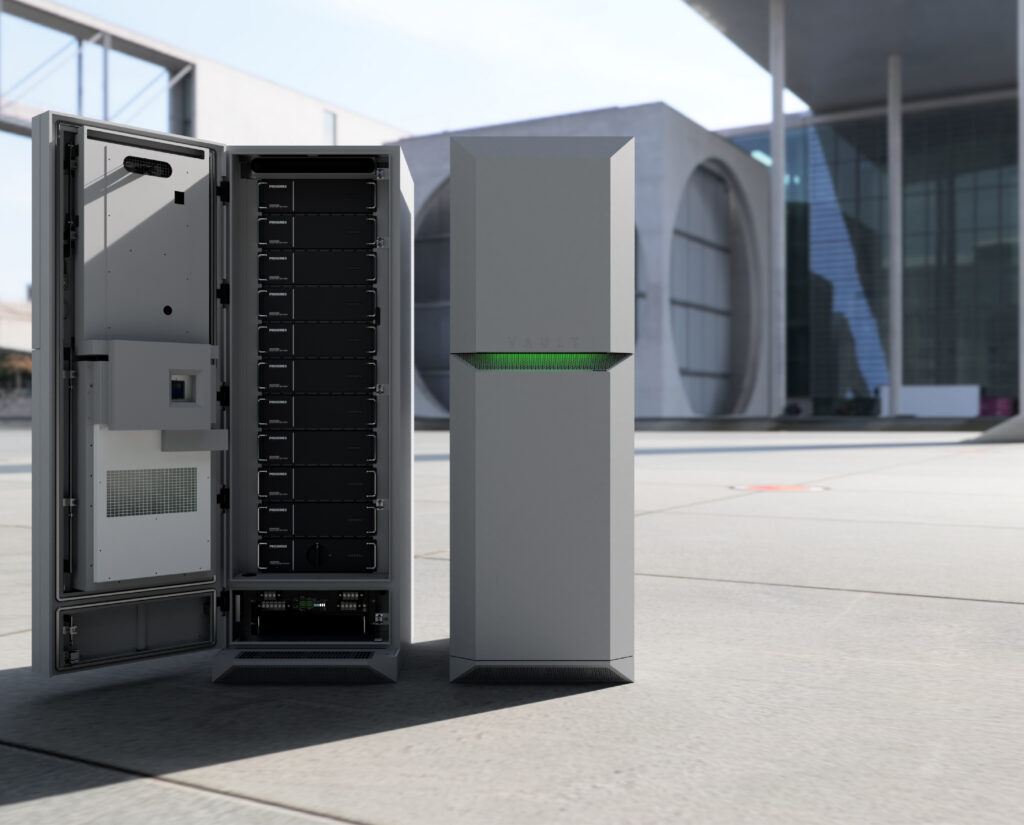
AIO sistēma: viena ierīce. Neierobežota jauda.
Ne visas baterijas ir vienādas. Besst AIO ir kas vairāk nekā enerģijas banka – tā ir pilnvērtīga mājas enerģijas pārvaldības sistēma.